

As a louver pergola supplier, one of the most frequently asked questions I encounter is, "Can a louver pergola withstand strong winds?" This is a crucial concern for potential buyers, as the durability and safety of their outdoor structures are paramount. In this blog post, I'll delve into the factors that determine a louver pergola's wind resistance and provide insights to help you make an informed decision.
Understanding the Basics of Louver Pergolas
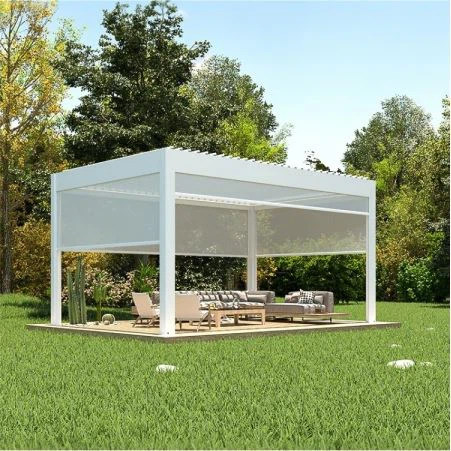
Before we discuss wind resistance, let's briefly review what a louver pergola is. A louver pergola is an outdoor structure with adjustable slats that can be opened or closed to control sunlight, shade, and ventilation. These pergolas are typically made of materials like aluminum, which offers a balance of strength, durability, and aesthetics. They come in various designs and sizes, from small patio covers to large backyard structures. You can explore our range of louver pergolas at Louver Roof Pergola.

Factors Affecting Wind Resistance
Several factors contribute to a louver pergola's ability to withstand strong winds. Understanding these factors will help you assess the suitability of a louver pergola for your location and weather conditions.
1. Material and Construction
The material used in the construction of a louver pergola plays a significant role in its wind resistance. Aluminum is a popular choice due to its high strength-to-weight ratio. It is lightweight yet strong enough to withstand the forces exerted by wind. Additionally, aluminum is resistant to rust and corrosion, ensuring the longevity of the pergola.
The construction of the pergola also matters. A well-built louver pergola will have a sturdy frame and secure connections between the slats and the frame. The slats themselves should be designed to withstand wind pressure without bending or breaking. Look for pergolas that are engineered and tested to meet industry standards for wind resistance.
2. Design and Shape
The design and shape of a louver pergola can affect its wind resistance. Pergolas with a low-profile design are generally more aerodynamic and less likely to catch the wind. A sloped roof design can also help redirect wind over the structure, reducing the pressure on the pergola.
The arrangement of the slats is another important design consideration. Some louver pergolas have slats that can be adjusted to different angles. When fully closed, these slats can act as a solid barrier, increasing the wind load on the pergola. However, when partially or fully open, the slats allow wind to pass through, reducing the overall pressure on the structure. Our Pergola Can Slide The Slats offers adjustable slats for optimal ventilation and wind management.
3. Installation and Anchoring
Proper installation and anchoring are essential for ensuring a louver pergola's wind resistance. The pergola should be installed on a stable and level surface, such as a concrete patio or a well-compacted foundation. Anchoring the pergola to the ground or the building structure helps prevent it from being lifted or blown over by strong winds.
The type of anchoring system used will depend on the size and weight of the pergola, as well as the local building codes. Common anchoring methods include using concrete footings, bolts, or brackets. It's important to follow the manufacturer's installation instructions carefully and, if necessary, consult with a professional installer to ensure the pergola is installed correctly.
4. Location and Wind Conditions
The location of the louver pergola and the local wind conditions are also important factors to consider. Areas prone to high winds, such as coastal regions or open plains, will require a more robust and wind-resistant pergola. Additionally, the orientation of the pergola relative to the prevailing wind direction can affect its performance. Placing the pergola in a sheltered location, such as behind a building or a row of trees, can help reduce the wind load on the structure.
Testing and Certification
To ensure the safety and performance of a louver pergola in windy conditions, it's important to look for products that have been tested and certified. Many reputable manufacturers subject their pergolas to wind tunnel testing to simulate real-world wind conditions and measure the structure's response. These tests can provide valuable information about the pergola's wind resistance, including the maximum wind speed it can withstand.
Certification from independent testing organizations, such as the International Code Council (ICC) or the American Architectural Manufacturers Association (AAMA), is also a good indicator of a pergola's quality and performance. These certifications ensure that the pergola meets or exceeds industry standards for wind resistance and other important factors.
Tips for Protecting Your Louver Pergola in Strong Winds
Even the most wind-resistant louver pergola may require some additional protection in extremely strong winds. Here are some tips to help you safeguard your pergola:
- Close the slats: When a strong wind event is forecasted, close the slats of your louver pergola to reduce the wind load on the structure. This can help prevent the slats from being damaged or blown off.
- Remove loose items: Clear the area around the pergola of any loose items, such as furniture, plants, or decorations. These items can become projectiles in strong winds and cause damage to the pergola or other property.
- Inspect the pergola regularly: Periodically inspect your louver pergola for any signs of damage or wear. Check the connections between the slats and the frame, as well as the anchoring system. If you notice any issues, have them repaired promptly to ensure the continued safety and performance of the pergola.
Conclusion
In conclusion, a well-designed and properly installed louver pergola can withstand strong winds. By considering factors such as material, construction, design, installation, and location, you can choose a pergola that is suitable for your specific needs and weather conditions. Look for products that have been tested and certified, and follow the manufacturer's recommendations for installation and maintenance.
At our company, we offer a wide range of high-quality louver pergolas that are designed to withstand the elements, including strong winds. Our Pergola Aluminum Patio Covers are made of durable aluminum and feature adjustable slats for optimal ventilation and shade control. If you're interested in learning more about our products or have any questions about louver pergola wind resistance, please don't hesitate to contact us. We'd be happy to assist you with your purchase and help you create the perfect outdoor living space.
References
- International Code Council (ICC). (2022). International Building Code.
- American Architectural Manufacturers Association (AAMA). (2022). Performance Requirements and Test Methods for Exterior Windows, Doors, and Skylights.
- Engineering Principles for Wind Resistance in Building Structures. (2022). ASCE 7-22: Minimum Design Loads and Associated Criteria for Buildings and Other Structures.