

Can an outdoor pergola be used for a plant nursery? This is a question that many gardening enthusiasts and horticultural business owners have been pondering. As an outdoor pergola supplier, I've had the opportunity to explore this topic in depth and witness firsthand the potential of using pergolas in plant nurseries.
The Basics of an Outdoor Pergola
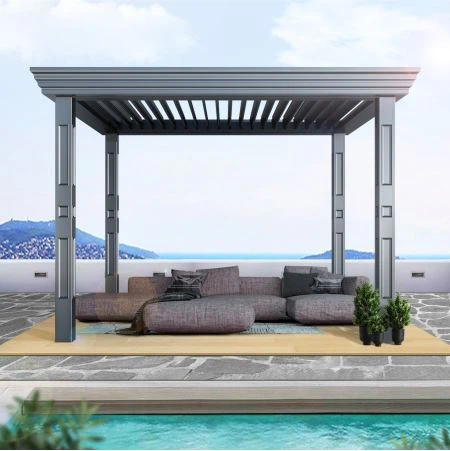
Before delving into whether an outdoor pergola can serve as a plant nursery, it's essential to understand what a pergola is. An outdoor pergola is a structure typically made of wood, metal, or vinyl, consisting of vertical posts supporting cross - beams and often featuring an open latticework on top. It provides a semi - shaded area, which can be adjusted depending on the design and the orientation of the structure.
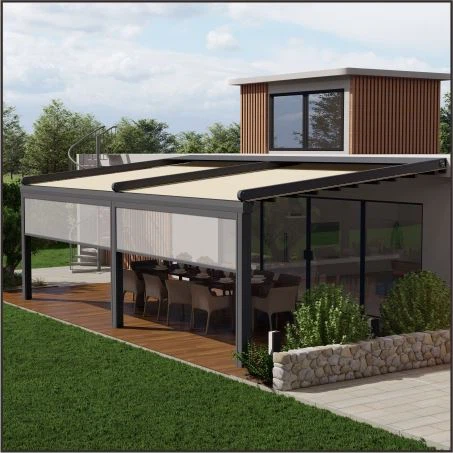
There are various types of pergolas available in the market. For instance, the Pergola with Rolling Curtain offers the flexibility of controlling the amount of sunlight and shade. The rolling curtain can be adjusted to protect plants from harsh sunlight during the peak hours of the day or to allow more light in when needed. Similarly, the Curtain Pergola provides an additional layer of protection and can be customized to suit different aesthetic and functional requirements. And for those with larger commercial needs, such as a restaurant - style plant nursery, the Motorized Pergola System for Restaurant offers automated control, making it easier to manage the environment within the pergola.
Advantages of Using an Outdoor Pergola for a Plant Nursery
1. Light Control
One of the most significant advantages of using a pergola for a plant nursery is the ability to control the amount of sunlight that reaches the plants. Different plants have different light requirements. Some thrive in full sun, while others prefer partial shade. A pergola's latticework or adjustable curtains can filter sunlight, creating a more suitable environment for a wide variety of plants. For example, delicate ferns and some orchids that require filtered light can be placed under the pergola, while sun - loving succulents can be positioned in areas where more direct sunlight penetrates.
2. Protection from the Elements
Outdoor pergolas can offer protection from various weather elements. During heavy rain, the pergola's structure can prevent excessive water from drenching the plants, which can be harmful, especially to plants that are sensitive to over - watering. In addition, strong winds can be buffered by the pergola's posts and cross - beams, reducing the risk of damage to delicate plants. This protection helps to create a more stable and consistent growing environment for the plants in the nursery.
3. Aesthetic Appeal
A well - designed pergola can enhance the aesthetic appeal of a plant nursery. It can create an inviting and charming atmosphere, attracting customers and making the nursery a more pleasant place to visit. The pergola can be decorated with climbing plants, such as ivy or clematis, which not only add to the beauty but also contribute to the overall micro - environment within the nursery.
4. Cost - Effectiveness
Compared to building a full - scale greenhouse, an outdoor pergola is often a more cost - effective option for starting a plant nursery. The materials required for a pergola are generally less expensive, and the construction process is relatively simpler. This makes it a viable option for small - scale nurseries or those on a tight budget.
Challenges of Using an Outdoor Pergola for a Plant Nursery
1. Temperature Regulation
While a pergola can provide some protection from extreme temperatures, it may not be as effective as a greenhouse in maintaining a consistent temperature. During cold winter months, the plants in a pergola - based nursery may be at risk of frost damage. Similarly, in hot summer days, the temperature inside the pergola can rise significantly, which may be detrimental to some plants. To address this issue, additional heating or cooling systems may need to be installed, which can increase the overall cost.
2. Pest and Disease Management
An open - air pergola may make the plants more susceptible to pests and diseases. Insects and other pests can easily access the plants, and the lack of a fully enclosed environment may make it more challenging to control the spread of diseases. Regular monitoring and appropriate pest control measures, such as the use of natural predators or organic pesticides, need to be implemented to keep the plants healthy.
3. Limited Space
Depending on the size of the pergola, the available space for growing plants may be limited. This can be a constraint for nurseries that aim to grow a large variety of plants or a significant quantity of a single species. However, with proper planning and the use of vertical gardening techniques, the space within the pergola can be optimized to accommodate more plants.
Strategies for Overcoming the Challenges
1. Temperature Control
To regulate the temperature in a pergola - based plant nursery, several strategies can be employed. During cold weather, insulating materials can be added to the pergola, such as thermal blankets or bubble wrap. In the summer, shade cloths can be used to reduce the amount of heat entering the pergola. Additionally, fans can be installed to improve air circulation and prevent the build - up of hot air.
2. Pest and Disease Prevention
To prevent pest and disease problems, it's important to maintain good hygiene in the nursery. This includes regularly cleaning the pergola structure, removing dead leaves and debris, and disinfecting tools. Introducing beneficial insects, such as ladybugs and lacewings, can also help to control pest populations naturally.
3. Space Optimization
Vertical gardening is an excellent way to make the most of the limited space in a pergola. Shelving units can be installed on the pergola's posts, allowing for the stacking of plant containers. Hanging baskets can also be used to grow plants at different levels, maximizing the use of vertical space.
Conclusion
In conclusion, an outdoor pergola can indeed be used for a plant nursery. It offers numerous advantages, such as light control, protection from the elements, aesthetic appeal, and cost - effectiveness. However, it also comes with its own set of challenges, including temperature regulation, pest and disease management, and limited space. With proper planning, the challenges can be overcome, and a successful plant nursery can be established within a pergola.
If you're considering starting a plant nursery or looking to upgrade your existing nursery, an outdoor pergola could be a great option. As an outdoor pergola supplier, I'm here to help you find the perfect pergola solution for your needs. Whether you're interested in a Pergola with Rolling Curtain, a Curtain Pergola, or a Motorized Pergola System for Restaurant, I can provide you with high - quality products and professional advice. Contact me to discuss your requirements and let's work together to create a thriving plant nursery.
References
- "The Complete Guide to Pergolas" by Gardening Today Magazine
- "Horticultural Structures: Design and Function" by Dr. Jane Smith
- "Pest and Disease Management in Outdoor Gardening" by the National Gardening Association