

Can I install sun awnings for windows myself without professional help?
As a supplier of sun awnings for windows, I often get asked whether it's possible for homeowners to install these awnings on their own, without the need for professional help. The answer is a bit nuanced and depends on several factors. In this blog post, I'll explore the pros and cons of DIY window awning installation, provide some guidelines, and share some tips to help you make an informed decision.
Advantages of DIY Window Awning Installation
One of the most significant advantages of installing sun awnings for windows yourself is the cost savings. Hiring a professional installer can be expensive, as you'll have to pay for their labor, transportation, and potentially other overhead costs. By doing the installation yourself, you can save a substantial amount of money. This money can be used to invest in a higher - quality awning or other home improvement projects.
Another benefit is the sense of accomplishment. There's nothing quite like looking at a project you've completed on your own and knowing that you've added value to your home. DIY installation also allows you to work at your own pace. You can take your time to ensure that everything is done correctly, without feeling rushed by a professional installer who may have a tight schedule.
Disadvantages of DIY Window Awning Installation
However, there are also some drawbacks to consider. First and foremost, DIY installation requires a certain level of skill and knowledge. You need to be familiar with basic tools such as drills, screwdrivers, and levels. If you're not comfortable using these tools, or if you've never done any home improvement projects before, the installation process can be challenging and potentially dangerous.
Incorrect installation can lead to a variety of problems. For example, if the awning is not properly secured, it may not be able to withstand strong winds or other weather conditions, which could result in damage to the awning or even your home. Additionally, improper installation can void the awning's warranty, leaving you responsible for any future repairs or replacements.
Factors to Consider Before DIY Installation
Before you decide to install a window awning yourself, there are several factors you need to take into account.
- Type of Awning: Different types of awnings have different installation requirements. For instance, Large Size Awning may be more difficult to install due to their size and weight. They often require more support and a more precise installation process. On the other hand, smaller awnings may be easier to handle. Residential Aluminum Window Awnings are generally lightweight and relatively easy to install, but you still need to follow the manufacturer's instructions carefully.
- Your Home's Structure: The type of wall or surface where you plan to install the awning is also crucial. If you have a brick or concrete wall, you'll need special tools and techniques to drill into it. Wood or vinyl siding may be easier to work with, but you still need to ensure that the awning is properly attached to the underlying structure for stability.
- Local Building Codes: It's important to check your local building codes before installing a window awning. Some areas have specific regulations regarding the size, placement, and installation of awnings. Failure to comply with these codes can result in fines or the need to remove the awning.
Steps for DIY Window Awning Installation
If you've decided that you're up for the challenge, here are some general steps to follow for DIY window awning installation:
- Read the Instructions: Carefully read the installation instructions that come with your awning. These instructions will provide you with detailed information on how to install the awning correctly.
- Gather Your Tools: Make sure you have all the necessary tools, such as a drill, screwdriver, level, measuring tape, and appropriate fasteners.
- Measure and Mark: Measure the area where you plan to install the awning and mark the locations for the mounting brackets. Use a level to ensure that the marks are straight and level.
- Drill Holes and Install Brackets: Drill holes in the marked locations and install the mounting brackets using the appropriate fasteners. Make sure the brackets are securely attached to the wall.
- Attach the Awning: Once the brackets are installed, attach the awning to the brackets according to the instructions. This may involve sliding the awning onto the brackets or using screws to secure it in place.
- Test the Awning: After the awning is installed, test it to make sure it opens and closes smoothly. Check for any signs of instability or looseness.
Tips for a Successful DIY Installation
- Take Your Time: Don't rush the installation process. It's better to spend a little extra time ensuring that everything is done correctly than to have to go back and fix mistakes later.
- Ask for Help: If you're unsure about any part of the installation process, don't hesitate to ask for help. You can consult with a friend or family member who has experience with home improvement projects, or you can contact the awning manufacturer's customer service for guidance.
- Use Quality Materials: Invest in high - quality awnings and fasteners. This will ensure that your awning lasts longer and is more resistant to the elements. For example, Outdoor Folding Arm Awning made from durable materials can provide better performance and durability.
In conclusion, while it is possible to install sun awnings for windows yourself without professional help, it's not a decision to be taken lightly. You need to carefully consider your skills, the type of awning, your home's structure, and local building codes. If you're confident in your abilities and willing to put in the time and effort, DIY installation can be a rewarding experience. However, if you're unsure or uncomfortable with the process, it's best to hire a professional installer.
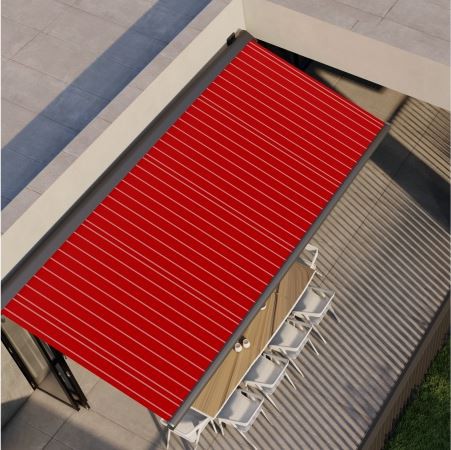

If you're interested in purchasing high - quality sun awnings for your windows, we're here to help. Our wide range of awnings offers different styles, sizes, and materials to meet your specific needs. Contact us to start a procurement negotiation and find the perfect awning for your home.
References
- General home improvement guides on window awning installation
- Manufacturer's installation instructions for various types of awnings
- Local building code regulations