

Can I use a manual patio awning in a patio with a water feature?
As a supplier of Manual Patio Awnings, I often get asked whether it's feasible to use a manual patio awning in a patio with a water feature. This is a valid concern, as water features bring a unique set of challenges and considerations to the patio environment. In this blog, I'll delve into the topic and provide you with all the information you need to make an informed decision.
Understanding the Basics of Manual Patio Awnings
Before we discuss using a manual patio awning with a water feature, let's first understand what manual patio awnings are. Manual patio awnings are a popular choice for many homeowners due to their simplicity and affordability. Unlike motorized awnings, which are controlled by an electric motor, manual awnings are operated by hand. This means you can easily adjust the awning to provide shade or protection from the elements as needed.
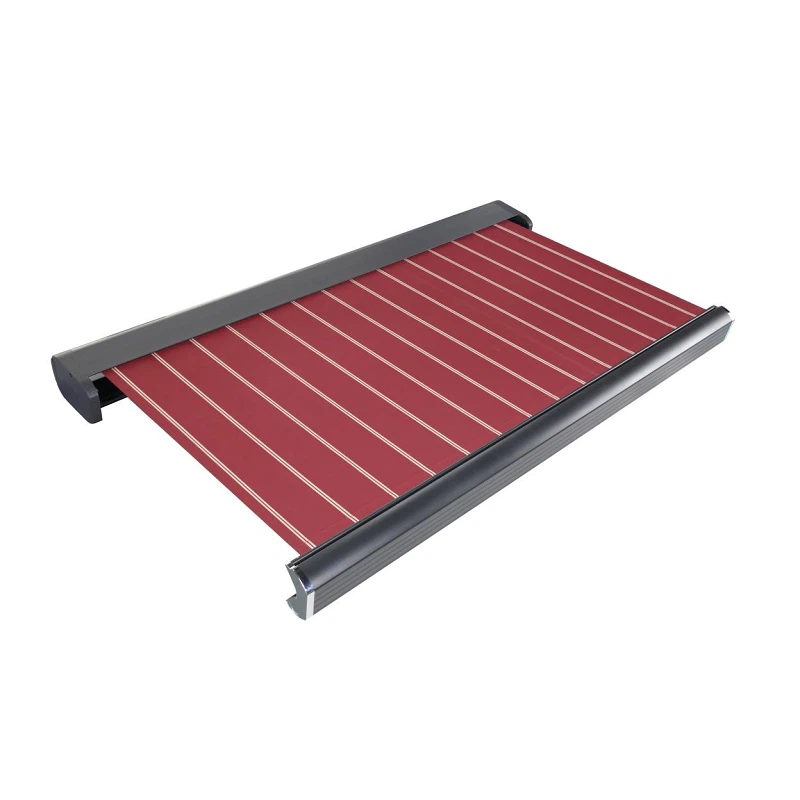
Manual patio awnings come in various styles and sizes, including Full Cassette Retractable Outdoor Awnings. These awnings are designed to be durable and weather-resistant, making them suitable for outdoor use. They are also available in a range of colors and fabrics, allowing you to choose an awning that complements the style of your patio.

The Impact of Water Features on Patio Awnings
Water features, such as fountains, ponds, or waterfalls, can add a beautiful and relaxing element to your patio. However, they also introduce moisture and humidity into the environment, which can potentially affect the performance and lifespan of your patio awning.
One of the main concerns when using a patio awning with a water feature is the risk of water damage. If water splashes onto the awning fabric or frame, it can cause staining, mold growth, or even structural damage over time. Additionally, the constant exposure to moisture can weaken the fabric and make it more prone to tearing or fraying.
Another consideration is the impact of humidity on the awning's mechanical components. Manual awnings rely on a system of pulleys, ropes, and gears to operate, and high humidity levels can cause these components to rust or corrode. This can make the awning difficult to open and close, and may eventually lead to mechanical failure.
Choosing the Right Manual Patio Awning for a Patio with a Water Feature
Despite the potential challenges, it is possible to use a manual patio awning in a patio with a water feature. The key is to choose an awning that is specifically designed to withstand the unique conditions of a water feature environment.
When selecting a manual patio awning, look for one that is made from a waterproof and mold-resistant fabric. Outdoor Awnings & Window Coverings made from materials such as acrylic or polyester are often a good choice, as they are durable, fade-resistant, and easy to clean.
In addition to the fabric, pay attention to the awning's frame and hardware. Look for a frame that is made from a corrosion-resistant material, such as aluminum or stainless steel. The hardware, including the pulleys, ropes, and gears, should also be made from high-quality materials that are designed to withstand moisture and humidity.
It's also important to consider the size and placement of the awning. Make sure the awning is large enough to provide adequate shade and protection from the water feature, but not so large that it obstructs the view or interferes with the operation of the water feature. Additionally, position the awning in a way that minimizes the risk of water splashing onto it.
Installation and Maintenance Tips
Proper installation and maintenance are essential for ensuring the longevity and performance of your manual patio awning in a patio with a water feature. Here are some tips to help you install and maintain your awning:
- Installation: Hire a professional installer to ensure that the awning is installed correctly and securely. The installer should follow the manufacturer's instructions and use the appropriate hardware and mounting brackets. Make sure the awning is level and properly aligned, and that the frame is securely attached to the patio structure.
- Regular Cleaning: Clean the awning regularly to remove dirt, debris, and any water stains. Use a mild soap and water solution, and avoid using harsh chemicals or abrasive cleaners that could damage the fabric or frame. Rinse the awning thoroughly with clean water, and allow it to dry completely before retracting it.
- Inspection: Inspect the awning regularly for signs of damage or wear. Check the fabric for tears, fraying, or mold growth, and inspect the frame and hardware for rust, corrosion, or loose connections. If you notice any problems, repair or replace the damaged parts as soon as possible.
- Seasonal Storage: If you live in an area with harsh winters or extreme weather conditions, consider storing the awning during the off-season. This will help protect it from damage and extend its lifespan. Make sure the awning is clean and dry before storing it, and store it in a cool, dry place.
Conclusion
In conclusion, it is possible to use a manual patio awning in a patio with a water feature, but it requires careful consideration and proper maintenance. By choosing the right awning, installing it correctly, and following a regular maintenance schedule, you can enjoy the benefits of both a beautiful water feature and a functional patio awning.
If you're interested in purchasing a manual patio awning for your patio with a water feature, or if you have any questions or concerns, please don't hesitate to contact us. We're a leading supplier of Retractable Deck Shade and other outdoor awnings, and we're here to help you find the perfect awning for your needs.
References
- Manufacturer's guidelines for manual patio awnings
- Industry standards for outdoor awning materials and construction
- Research on the effects of moisture and humidity on outdoor fabrics and materials