

Hey there! As a supplier of pergolas, I often get asked if a pergola can be used as a greenhouse. It's a super interesting question, and today, I'm gonna dive deep into this topic to give you all the ins and outs.
First off, let's talk about what a pergola is. A pergola is a structure with an open - lattice roof supported by columns. It's usually placed in a garden or patio area, adding a touch of elegance and providing a bit of shade. On the other hand, a greenhouse is a building made mostly of glass or plastic, designed to trap heat and create a controlled environment for plants to grow.
Can a Pergola Be Transformed into a Greenhouse?
The short answer is yes, you can use a pergola as a greenhouse. But there are a few things you need to consider before making the transformation.
1. Light and Temperature Control
One of the main functions of a greenhouse is to control the amount of light and temperature that plants receive. A traditional pergola has an open - lattice roof, which allows a lot of sunlight to pass through. While this is great for some plants that love full sun, it might be too much for others.
To turn a pergola into a greenhouse, you'll need to cover the lattice roof. You can use materials like greenhouse plastic sheeting, polycarbonate panels, or even glass. These materials will help regulate the amount of sunlight and heat that gets in. For instance, polycarbonate panels are great because they're lightweight, shatter - resistant, and can filter out harmful UV rays.
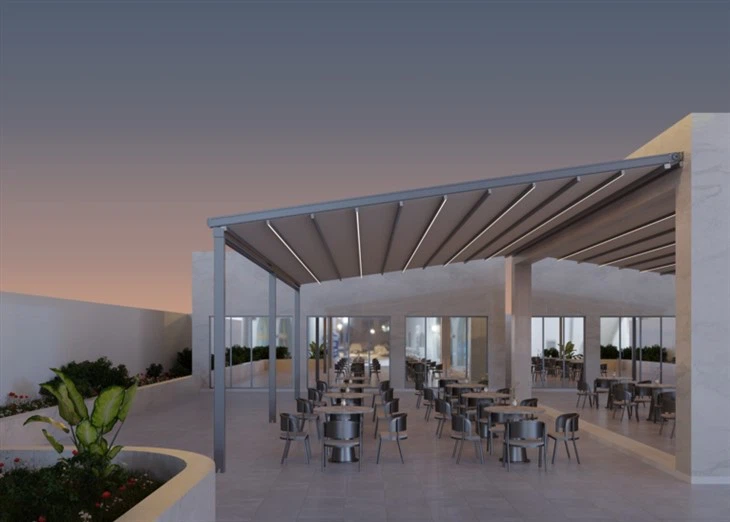
However, you also need to think about ventilation. Without proper ventilation, the temperature inside the pergola - turned - greenhouse can get too hot, which can damage your plants. You can install vents in the sides or roof of the pergola to allow hot air to escape. Some of our Retractable Patio Roof Systems are designed with ventilation in mind, making them a great option if you're planning to use your pergola as a greenhouse.
2. Structural Integrity
Another important factor is the structural integrity of the pergola. Greenhouse covers can add a significant amount of weight, especially if you're using glass panels. You need to make sure that your pergola can support the extra load.
If you live in an area with heavy snowfall, you'll need a Snow Resistant Pergola. These pergolas are designed to withstand the weight of snow, which is crucial if you're using it as a greenhouse year - round. Our snow - resistant pergolas are built with strong materials and a sturdy frame to ensure they can handle the elements.
3. Plant Selection
Not all plants are suitable for a pergola - greenhouse. You need to choose plants that can thrive in the environment you've created. If you've covered the pergola with a material that filters a lot of light, you'll want to choose shade - loving plants like ferns, begonias, or some types of orchids.
On the other hand, if you've left some areas of the pergola open or used a transparent covering, you can grow sun - loving plants like tomatoes, peppers, or herbs. It's important to do your research on the specific needs of the plants you want to grow and make sure your pergola - greenhouse can meet those requirements.
Benefits of Using a Pergola as a Greenhouse
1. Cost - Effective
Building a traditional greenhouse can be expensive. You need to buy the materials, hire a contractor, and deal with the permits. Using a pergola as a greenhouse can be a more cost - effective option. You already have the structure in place, and you just need to add the cover and make some modifications.
2. Aesthetic Appeal
A pergola - greenhouse can add a unique and beautiful look to your garden. It combines the functionality of a greenhouse with the elegance of a pergola. You can create a cozy and inviting space where you can relax and enjoy your plants at the same time.

3. Flexibility
Unlike a traditional greenhouse, a pergola - greenhouse can be more flexible. You can easily remove the cover during the summer months if you don't need it, or you can adjust the amount of light and ventilation depending on the season and the needs of your plants. Our Retractable Patio Roof Systems offer even more flexibility, allowing you to open and close the roof as needed.
How to Convert Your Pergola into a Greenhouse
Step 1: Assess Your Pergola
First, take a good look at your pergola. Check its structural integrity, size, and orientation. Make sure it's in a location that gets enough sunlight but is also protected from strong winds.
Step 2: Choose Your Covering Material
As mentioned earlier, you have several options for covering your pergola. Consider the cost, durability, and light - filtering properties of each material. Greenhouse plastic sheeting is the most affordable option, while glass panels offer the best clarity and insulation.
Step 3: Install the Cover
Once you've chosen your covering material, it's time to install it. If you're using plastic sheeting, you can use a staple gun to attach it to the lattice roof. For polycarbonate panels or glass, you'll need to use brackets and screws. Make sure the cover is tightly secured to prevent it from blowing away.
Step 4: Add Ventilation
Install vents in the sides or roof of the pergola. You can use manual vents or automated ones that open and close based on the temperature.
Step 5: Select Your Plants
Choose plants that are suitable for the environment you've created. You can start with easy - to - grow plants like lettuce, spinach, or herbs.
Wrapping It Up
So, can you use a pergola as a greenhouse? Absolutely! With a little planning and some modifications, you can transform your pergola into a functional and beautiful greenhouse. Whether you're a seasoned gardener or just starting out, a pergola - greenhouse can be a great addition to your garden.
If you're interested in purchasing a pergola or need more information on how to convert it into a greenhouse, feel free to reach out to us. We're here to help you make the most of your outdoor space and grow healthy, beautiful plants.
References
- "The Complete Guide to Greenhouses" by Greenhouse Gardening Magazine
- "Pergolas: Design, Construction, and Inspiration" by Outdoor Living Press