

Can outdoor awnings be used in coastal areas? That's a question I get asked a lot as an outdoor awning supplier. And the answer is a resounding yes! But there are some things you need to keep in mind to make sure your awning lasts and performs well in the unique coastal environment.
The Benefits of Outdoor Awnings in Coastal Areas
First off, let's talk about why outdoor awnings are a great idea for coastal homes. The sun can be brutal in coastal areas, and an awning can provide much - needed shade. Whether you're sitting on your patio, enjoying a meal outdoors, or just relaxing by the pool, an awning can block out the harsh sunlight, making your outdoor space more comfortable.
Awnings also offer protection from the rain. Coastal areas are often prone to sudden showers, and having an awning over your patio or deck means you don't have to rush indoors every time it starts to sprinkle. You can stay dry and continue to enjoy the beautiful coastal views.
Another benefit is energy savings. By shading your windows and doors, awnings can reduce the amount of heat that enters your home. This means your air - conditioning system doesn't have to work as hard, which can lead to lower energy bills. Check out our Sun Awnings for Windows for a great option to save on energy costs.
Challenges in Coastal Areas
However, the coastal environment also presents some challenges for outdoor awnings. One of the biggest issues is the salt in the air. Saltwater is corrosive, and over time, it can damage the awning's frame and fabric. High winds are another concern. Coastal areas are often windy, and strong gusts can put a lot of stress on the awning.
The sun in coastal areas is also more intense, which can cause the fabric of the awning to fade and deteriorate more quickly. So, when choosing an awning for a coastal area, you need to make sure it's built to withstand these conditions.
Choosing the Right Awning for Coastal Areas
Frame Material
When it comes to the frame of the awning, you want to choose a material that is resistant to corrosion. Aluminum is a great choice. It's lightweight, strong, and naturally resistant to rust and corrosion. Stainless steel is another option. It's even more durable than aluminum and can handle the harsh coastal environment very well.
Fabric
The fabric of the awning is also crucial. Look for a fabric that is UV - resistant. This will prevent it from fading and deteriorating quickly in the intense coastal sun. Acrylic fabrics are a popular choice as they offer good UV protection. They are also water - resistant, which is great for dealing with the rain.
Some awnings come with a waterproof coating, which can provide an extra layer of protection. Make sure the fabric is also mildew - resistant, as the high humidity in coastal areas can promote the growth of mildew.
Design
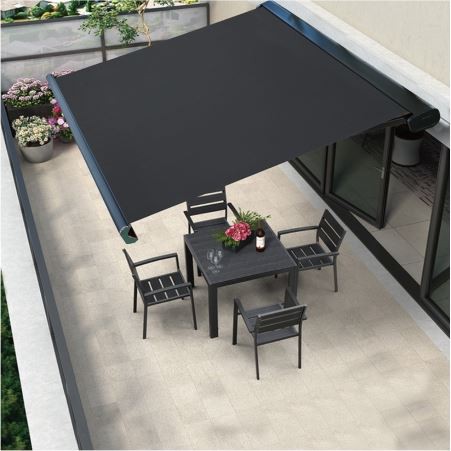
The design of the awning can also play a role in its performance in coastal areas. A retractable awning is a great option. You can retract it during strong winds or storms, which will prevent damage. Our Double Arms Motorised Retractable Awnings are a great choice as they offer easy operation and can be quickly retracted when needed.
Maintenance Tips
Even with a high - quality awning, regular maintenance is essential to keep it in good condition in a coastal area. Here are some tips:
- Clean Regularly: Use a mild soap and water to clean the awning's fabric and frame. This will remove the salt and dirt that can accumulate over time.
- Inspect for Damage: Check the awning regularly for any signs of damage, such as tears in the fabric or loose parts in the frame. Repair any damage as soon as possible.
- Lubricate Moving Parts: If your awning has moving parts, like a motorized retractable mechanism, lubricate them regularly to ensure smooth operation.
Installation
Proper installation is also key. Make sure your awning is installed by a professional who has experience with coastal installations. They will know how to secure the awning properly to withstand the wind and other coastal conditions. For example, they might use stronger anchors and brackets to ensure the awning stays in place.
Different Types of Awnings for Coastal Areas
Patio Awnings
Patio awnings are a popular choice for coastal homes. They can provide shade and protection for your outdoor living area. You can choose from a variety of styles, including fixed awnings and retractable awnings. Our Automatic Garage Awning can also be a great addition to your coastal property, providing protection for your garage area.
Window Awnings
Window awnings are another option. They can reduce heat gain in your home and protect your windows from the sun and rain. They come in different sizes and colors, so you can find one that matches the style of your home.

Conclusion
In conclusion, outdoor awnings can definitely be used in coastal areas. With the right choice of materials, design, and proper maintenance, an awning can provide years of service and enhance your outdoor living experience. If you're in the market for an outdoor awning for your coastal home, I'd love to talk to you. We have a wide range of high - quality awnings that are designed to withstand the coastal environment. Contact us today to discuss your needs and find the perfect awning for your property.
References
- American Society of Civil Engineers. "Coastal Engineering Manual."
- National Association of Home Builders. "Best Practices for Building in Coastal Areas."
- Fabric and Awning Manufacturers Association. "Guide to Choosing and Maintaining Outdoor Awnings."