

Hey there! As a supplier of Drop Arm Window Awnings, I often get asked if these awnings develop mold or mildew in humid conditions. It's a valid concern, especially for folks living in areas with high humidity. Let's dive into this topic and find out what's what.
First off, let's understand what mold and mildew are. Mold and mildew are types of fungi that thrive in warm, damp, and dark environments. They reproduce by releasing spores into the air, which can land on surfaces and start growing if the conditions are right. When it comes to awnings, the fabric and the frame can potentially become breeding grounds for these fungi if they're exposed to moisture for extended periods.
Now, let's talk about Drop Arm Window Awnings specifically. These awnings are a popular choice for many homeowners because they're versatile and can provide excellent shade and protection from the elements. Drop Arm Window Awning are designed to be retractable, which means you can adjust them according to your needs. They're also made from a variety of materials, including canvas, polyester, and acrylic, each with its own set of properties.
So, do they develop mold or mildew in humid conditions? Well, it depends. The likelihood of mold and mildew growth on a Drop Arm Window Awning is influenced by several factors, such as the material of the awning, the level of humidity in the area, and how well the awning is maintained.

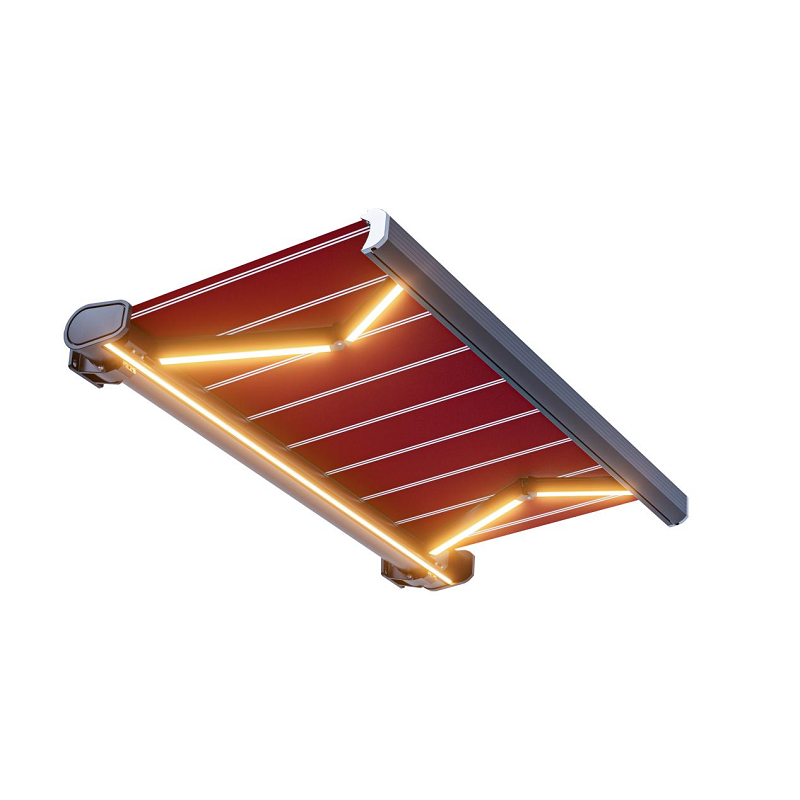
Material Matters
The material of the awning plays a crucial role in determining its resistance to mold and mildew. For example, awnings made from acrylic fabric are generally more resistant to fungi compared to those made from canvas. Acrylic is a synthetic material that has natural resistance to moisture and UV rays. It's also less porous than canvas, which means it's less likely to absorb water and provide a suitable environment for mold and mildew to grow.
On the other hand, canvas awnings are made from natural fibers, which are more prone to absorbing moisture. If the canvas isn't properly treated or maintained, it can become a breeding ground for mold and mildew. However, many canvas awnings are now treated with anti - fungal agents during the manufacturing process to improve their resistance.
Humidity Levels
The level of humidity in your area is another important factor. In areas with high humidity, such as coastal regions or places with a lot of rainfall, the chances of mold and mildew growth on your awning are higher. The constant presence of moisture in the air provides an ideal environment for fungi to thrive.
Even in moderately humid areas, if the awning is constantly exposed to rain or condensation, it can still develop mold and mildew over time. For instance, if the awning is installed in a location where water tends to pool or if it's not properly ventilated, moisture can accumulate, leading to fungal growth.
Maintenance is Key
Proper maintenance is essential to prevent mold and mildew growth on your Drop Arm Window Awning. Here are some tips:
- Regular Cleaning: Clean your awning at least once a season. Use a mild soap and water solution to gently scrub the fabric. Avoid using harsh chemicals, as they can damage the awning material. Rinse thoroughly and let it dry completely before retracting it.
- Inspect for Damage: Regularly check the awning for any signs of damage, such as tears or holes. Damaged areas can allow water to seep in and create a moist environment for mold and mildew to grow. If you find any damage, repair it as soon as possible.
- Proper Storage: If you live in an area with harsh winters or long periods of heavy rain, consider storing your awning during these times. This will protect it from excessive moisture and reduce the risk of mold and mildew growth.
Comparing with Other Awnings
It's also interesting to compare Drop Arm Window Awnings with other types of awnings in terms of mold and mildew resistance. Retractable House Awning are similar to Drop Arm Window Awnings in that they're retractable, but they're usually larger and designed to cover a bigger area. The same principles of material, humidity, and maintenance apply to them as well. However, due to their larger size, they may require more effort to clean and maintain.
Full Cassette Patio Awnings are enclosed in a cassette when retracted, which provides an extra layer of protection against the elements. This can help reduce the exposure of the awning fabric to moisture, thus lowering the risk of mold and mildew growth. However, they're also more expensive and may require professional installation.
Conclusion
In conclusion, while Drop Arm Window Awnings can develop mold or mildew in humid conditions, it's not inevitable. By choosing the right material, being aware of the humidity levels in your area, and following proper maintenance practices, you can significantly reduce the risk.
If you're in the market for a new awning and have concerns about mold and mildew, I'd be more than happy to help you choose the right product for your needs. We offer a wide range of Drop Arm Window Awnings made from high - quality materials that are designed to be durable and resistant to the elements. Whether you're looking for a small awning for a window or a larger one for a patio, we've got you covered.
If you're interested in learning more or discussing your specific requirements, feel free to reach out. We're here to assist you in making the best decision for your home.
References
- "Awning Materials and Their Properties" - Journal of Outdoor Living
- "Mold and Mildew Prevention in Humid Climates" - Home Maintenance Magazine