

As a supplier of Manual Patio Awnings, I often receive inquiries from customers about how to handle the cords of these awnings. In this blog post, I'll share some practical tips and insights based on my experience in the industry.
Understanding the Function of the Cords
The cords on a manual patio awning serve a crucial purpose - they are the means by which you control the extension and retraction of the awning. Typically, there are two main types of cords: the pull cord and the locking cord.
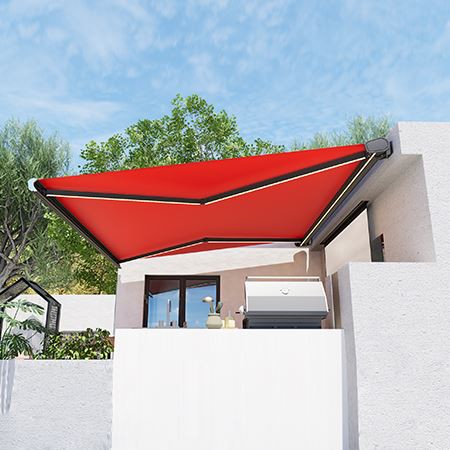

The pull cord is used to extend the awning. By gently pulling on this cord, you can gradually unfurl the awning to provide shade and protection from the sun. The locking cord, on the other hand, is used to secure the awning in place once it's extended. It ensures that the awning stays in position, even in windy conditions.
Proper Handling of the Pull Cord
When using the pull cord to extend the awning, it's important to do so slowly and steadily. Avoid yanking on the cord, as this can cause damage to the awning mechanism or the cord itself. Start by standing in a position where you have a clear view of the awning and can easily reach the cord.
Grasp the cord firmly but not too tightly. Begin to pull the cord gently, paying attention to the movement of the awning. As you pull, you'll notice that the awning starts to unfold. Keep pulling until the awning reaches the desired length. If you're unsure how far to extend the awning, refer to the manufacturer's instructions or markings on the awning frame.
It's also a good idea to check the tension of the cord as you're pulling. If the cord feels too loose or too tight, it may indicate a problem with the awning mechanism. In such cases, it's best to stop and consult the user manual or contact our customer support team for assistance.
Securing the Awning with the Locking Cord
Once the awning is extended to the desired length, it's time to secure it using the locking cord. The locking cord is usually located near the end of the awning or on the side frame. It's designed to be threaded through a series of loops or hooks to hold the awning in place.
To secure the awning, first, find the appropriate loops or hooks on the awning frame. Thread the locking cord through these loops or hooks, making sure it's pulled tight. You may need to adjust the tension of the cord to ensure a snug fit. Once the cord is threaded through all the loops or hooks, tie a secure knot to prevent the cord from coming loose.
It's important to note that the locking cord should not be over-tightened, as this can put excessive stress on the awning fabric and frame. On the other hand, if the cord is too loose, the awning may not be properly secured and could move or flap in the wind. Find the right balance by adjusting the tension until the awning feels stable and secure.
Retracting the Awning
When it's time to retract the awning, start by releasing the locking cord. Untie the knot and carefully remove the cord from the loops or hooks. Once the locking cord is removed, you can begin to retract the awning using the pull cord.
To retract the awning, grasp the pull cord and gently pull it in the opposite direction of the extension. As you pull, the awning will start to fold back up. Keep pulling until the awning is fully retracted. It's important to retract the awning slowly and steadily to prevent any damage to the fabric or the mechanism.
Once the awning is fully retracted, you can store the cords neatly. You can use a cord organizer or simply coil the cords and tie them together to keep them from getting tangled.
Maintenance of the Cords
Proper maintenance of the cords is essential to ensure the longevity and performance of your manual patio awning. Here are some tips for maintaining the cords:
- Regular Cleaning: Over time, dirt, dust, and debris can accumulate on the cords, which can affect their performance. Clean the cords regularly using a mild soap and water solution. Gently scrub the cords with a soft brush to remove any dirt or stains. Rinse the cords thoroughly with clean water and allow them to dry completely before using the awning again.
- Inspection: Periodically inspect the cords for any signs of wear and tear, such as fraying, stretching, or damage. If you notice any issues with the cords, replace them immediately to prevent further damage to the awning.
- Lubrication: If the cords seem to be sticking or moving slowly, you can apply a small amount of lubricant to the pulleys and other moving parts. Use a lubricant that is specifically designed for outdoor use and follow the manufacturer's instructions for application.
Conclusion
Handling the cords of a manual patio awning is a relatively simple process, but it requires some care and attention. By following the tips and guidelines outlined in this blog post, you can ensure that your awning operates smoothly and safely.
At our company, we offer a wide range of Retractable Patio Awning Canopy, Window Canopies and Awnings, and Retractable Sun Shade Canopy Awning. Our products are designed to provide high-quality shade and protection for your outdoor space. If you have any questions or need further assistance with your manual patio awning, please don't hesitate to contact us. We're here to help you make the most of your outdoor living experience.
References
- Manufacturer's instructions for manual patio awnings
- Industry best practices for awning maintenance and operation