

As a supplier of Louver Pergolas, I often receive inquiries from customers about how to install a heating system in their louver pergolas. A heating system can significantly enhance the usability of your louver pergola, allowing you to enjoy it even during colder months. In this blog post, I'll guide you through the process of installing a heating system in a louver pergola, sharing some valuable insights and practical tips along the way.
Understanding the Basics of Louver Pergolas
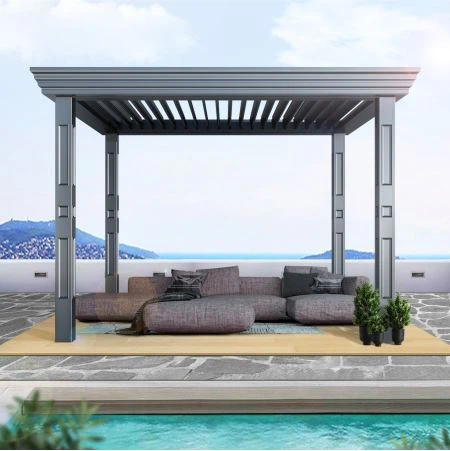
Before diving into the heating system installation, it's essential to have a good understanding of louver pergolas. A Louver Pergola is a modern and versatile outdoor structure that features adjustable louvers on its roof. These louvers can be tilted to control the amount of sunlight, shade, and ventilation in the pergola. They are typically made of high - quality materials such as aluminum, which offers durability and resistance to the elements.
There are also different types of pergolas in the market, like Curtain Pergola and Aluminum Pergola with Flip Louvers. However, for the purpose of this guide, we'll focus on the louver pergola.
Choosing the Right Heating System
The first step in installing a heating system in your louver pergola is to choose the right type of heating system. There are several options available, each with its own advantages and disadvantages.
Electric Heaters
Electric heaters are a popular choice for louver pergolas. They are relatively easy to install and operate. You can find various types of electric heaters, such as infrared heaters and radiant heaters. Infrared heaters emit infrared radiation that heats objects and people directly, rather than heating the air. This makes them energy - efficient and suitable for outdoor use. Radiant heaters, on the other hand, work by heating a coil that radiates heat into the surrounding area.
Gas Heaters
Gas heaters, either propane or natural gas, can also be a great option. They typically provide more heat output compared to electric heaters and can warm up a larger area. However, they require a gas supply and proper ventilation. Installation of gas heaters may be more complex and may require professional help to ensure safety.
Hydronic Heating Systems
Hydronic heating systems use hot water or steam to heat the space. They are often more expensive to install but can provide a more even and consistent heat. Hydronic systems can be integrated into the structure of the pergola, for example, by installing heated floors or baseboard heaters.
When choosing a heating system, consider factors such as the size of your louver pergola, your budget, and your personal preferences.
Pre - installation Preparations
Once you've chosen the heating system, it's time to make some preparations before the actual installation.

Measure the Pergola
Measure the dimensions of your louver pergola accurately. This will help you determine the appropriate size and number of heaters needed. For example, if you have a large pergola, you may need multiple heaters to ensure even heating.
Check the Electrical or Gas Supply
If you've chosen an electric heater, make sure there is a nearby electrical outlet or plan to install one. For gas heaters, check the availability of a gas supply and ensure that the necessary connections can be made safely.
Consider the Placement
Think about where you want to install the heaters. For infrared or radiant heaters, they should be installed at a proper height to ensure maximum heat distribution. Avoid placing heaters near flammable materials or in areas where they can be easily damaged.
Installation Process
Electric Heater Installation
- Mounting the Heater
- Most electric heaters come with mounting brackets. Use a drill to attach the brackets to the ceiling or wall of the louver pergola. Make sure the brackets are securely fastened.
- Hang the heater on the brackets according to the manufacturer's instructions.
- Electrical Connection
- If the heater has a plug, simply plug it into the electrical outlet. If it needs to be hard - wired, turn off the power at the circuit breaker before making any electrical connections. Connect the wires following the wiring diagram provided by the manufacturer and then turn the power back on.
Gas Heater Installation
- Gas Line Installation
- This is a more complex step and may require a professional gas fitter. The gas line needs to be installed from the gas source to the location of the heater. The fitter will ensure that the connections are leak - free and comply with safety regulations.
- Heater Mounting and Connection
- Mount the gas heater in the desired location using the appropriate mounting hardware. Connect the gas line to the heater and check for any gas leaks using a leak - detection solution.
Hydronic Heating System Installation
- Pipe Installation
- Install the pipes for the hot water or steam distribution. These pipes can be installed along the floor, walls, or ceiling of the pergola. Make sure the pipes are properly insulated to prevent heat loss.
- Boiler Installation
- Install the boiler, which is the heart of the hydronic system. The boiler needs to be placed in a well - ventilated area and connected to the water supply and the pipes.
Testing and Safety Checks
After the installation is complete, it's crucial to test the heating system and perform safety checks.
Testing the Heating System
Turn on the heating system and let it run for a while. Check if the heater is producing heat as expected and if the temperature in the pergola is rising. Make any necessary adjustments to the settings or the placement of the heaters.
Safety Checks
- Electrical Safety: For electric heaters, check for any loose wires or signs of overheating. Make sure the electrical connections are secure.
- Gas Safety: For gas heaters, check for gas leaks again and ensure that the ventilation is working properly.
- General Safety: Make sure all heaters are installed securely and that there are no tripping hazards or fire risks.
Maintenance and Troubleshooting
Regular maintenance is important to keep your heating system in good working condition.
Maintenance
- Cleaning: Clean the heaters regularly to remove dust and debris. For infrared heaters, wipe the heating elements gently.
- Inspections: Periodically inspect the electrical or gas connections, pipes (for hydronic systems), and mounting hardware for any signs of wear or damage.
Troubleshooting
If you encounter any problems with the heating system, such as the heater not working or producing insufficient heat, refer to the manufacturer's troubleshooting guide. In some cases, you may need to contact a professional technician for assistance.
Conclusion
Installing a heating system in your louver pergola can transform it into a comfortable and usable outdoor space throughout the year. By choosing the right heating system, making proper preparations, following the installation process carefully, and performing regular maintenance, you can enjoy a warm and cozy pergola even in cold weather.
If you're interested in purchasing a louver pergola or have any questions about heating system installation, feel free to contact us for more information. We're here to help you make the most of your outdoor living space.
References
- Manufacturer's manuals of heating systems
- Industry standards for electrical and gas installations
- Building codes related to outdoor heating systems