

Adjusting the height of a garden pergola with a roof is a task that requires careful planning and execution. As a supplier of Garden Pergolas with Roof, I understand the importance of having a pergola that is not only aesthetically pleasing but also functional and properly adjusted to meet your needs. In this blog, I'll share some practical steps and considerations on how to adjust the height of your garden pergola with a roof.
Why Adjust the Height of Your Garden Pergola?
There are several reasons why you might want to adjust the height of your garden pergola. Firstly, it could be for aesthetic purposes. A pergola that is too low might make your outdoor space feel cramped, while one that is too high could look out of proportion. Secondly, functionality plays a role. If you plan to use the pergola for entertaining, you might want it to be high enough to allow for comfortable movement and the use of large furniture. Additionally, adjusting the height can help with sunlight control. A higher pergola may allow more sunlight to penetrate, while a lower one can provide more shade.
Assessing Your Needs
Before you start adjusting the height of your pergola, it's essential to assess your specific needs. Consider the following factors:
- Intended Use: Will the pergola be used for dining, lounging, or as a play area for children? Different uses may require different heights.
- Surrounding Landscape: Take into account the height of nearby trees, shrubs, and other structures. The pergola should blend in with the overall landscape.
- Sunlight and Shade: Determine how much sunlight you want to allow into the area. If you live in a hot climate, you may want to keep the pergola lower for more shade.
Tools and Materials
To adjust the height of your garden pergola, you'll need the following tools and materials:
- Measuring Tape: To ensure accurate measurements.
- Level: To make sure the pergola remains level during the adjustment process.
- Ladder: For reaching higher parts of the pergola.
- Screwdriver or Drill: Depending on the type of fasteners used in your pergola.
- Additional Posts or Extensions: If you need to increase the height.
- Safety Gear: Such as gloves and safety glasses.
Step-by-Step Guide to Adjusting the Height
Step 1: Measure and Plan
- Use a measuring tape to measure the current height of the pergola at multiple points. This will give you an accurate understanding of the existing height.
- Decide on the desired height based on your assessment of needs. Mark the new height on the pergola posts.
Step 2: Prepare the Area
- Clear the area around the pergola of any furniture, plants, or other obstacles. This will provide you with a safe and unobstructed workspace.
Step 3: Remove the Roof (if necessary)
- If your pergola has a roof, you may need to remove it to access the posts more easily. Follow the manufacturer's instructions for removing the roof.
Step 4: Adjust the Posts
- Shortening the Posts: If you need to lower the pergola, you can cut the posts to the desired length using a saw. Make sure to measure carefully and cut evenly on all posts.
- Increasing the Height: To increase the height, you can use additional posts or extensions. Attach the extensions to the existing posts using screws or bolts. Make sure to use a level to ensure the posts are plumb.
Step 5: Reattach the Roof
- Once the posts are adjusted to the desired height, reattach the roof. Make sure it is securely fastened and level.
Step 6: Check for Stability
- After adjusting the height, check the stability of the pergola. Shake it gently to see if it wobbles. If it does, make any necessary adjustments to the posts or fasteners.
Considerations for Different Types of Pergolas
Pergola with Heater
If your pergola is equipped with a heater, you need to be extra careful when adjusting the height. Make sure the heater is safely disconnected and that there is enough clearance between the heater and the roof. You may also need to adjust the positioning of the heater to ensure proper heat distribution.
Aluminium Pergola Systems
Aluminium pergolas are lightweight and easy to work with. When adjusting the height of an aluminium pergola, make sure to use the appropriate tools and fasteners. Aluminium can be prone to scratching, so handle it carefully.
Aluminum Pergola with Adjustable Louvers
For pergolas with adjustable louvers, you need to ensure that the louvers can still function properly after the height adjustment. Check that the angle of the louvers can be adjusted as needed and that there is no interference with the roof or posts.
Maintenance and Aftercare
After adjusting the height of your garden pergola, it's important to perform regular maintenance to ensure its longevity. Here are some tips:
- Clean the Pergola: Regularly clean the pergola to remove dirt, debris, and stains. Use a mild detergent and a soft brush or cloth.
- Inspect the Fasteners: Check the fasteners regularly to make sure they are tight and secure. Tighten any loose screws or bolts as needed.
- Check for Damage: Look for any signs of damage, such as cracks or warping, in the posts, roof, or louvers. Repair or replace any damaged parts promptly.
Conclusion
Adjusting the height of a garden pergola with a roof is a manageable task that can significantly enhance the functionality and aesthetics of your outdoor space. By following the steps outlined in this blog and considering the specific needs of your pergola, you can achieve the perfect height for your garden pergola.
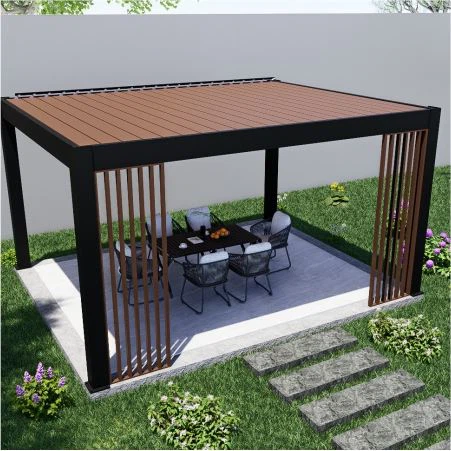

If you're interested in purchasing a high - quality garden pergola with a roof or need further advice on height adjustment, we'd love to hear from you. Contact us to start a discussion about your requirements and explore the options available for your outdoor space.
References
- "Outdoor Living Spaces: Design and Construction" by John Doe
- "The Complete Guide to Pergolas" by Jane Smith