

When it comes to outdoor awnings, one of the most critical factors that often goes unnoticed is the slope. As an outdoor awning supplier, I've seen firsthand how the right slope can transform the functionality and longevity of an awning. In this blog, I'll delve into the recommended slope for outdoor awnings, exploring the science behind it and how it impacts your outdoor space.
Why Slope Matters
The slope of an outdoor awning is not just an aesthetic consideration; it plays a crucial role in several key areas. Firstly, it affects water drainage. A proper slope ensures that rainwater, snow, and debris slide off the awning rather than pooling on it. Pooling water can lead to a host of problems, including sagging, fabric damage, and even structural issues over time.
Secondly, the slope impacts the amount of sunlight and shade provided. A well - angled awning can effectively block the sun's rays during the hottest parts of the day, creating a comfortable outdoor environment. It also helps in reducing the heat gain inside your home or building, which can lead to energy savings.
Factors Influencing the Recommended Slope
Several factors come into play when determining the ideal slope for an outdoor awning. These include the geographical location, the type of awning, and the intended use of the outdoor space.
Geographical Location
The amount of rainfall and snowfall in your area is a significant factor. In regions with heavy precipitation, a steeper slope is generally recommended to ensure efficient water runoff. For example, in areas prone to monsoons or heavy winter snow, an awning with a slope of 15 - 20 degrees or more may be necessary.
On the other hand, in drier regions, a shallower slope might suffice. However, even in these areas, a slope is still essential to prevent dust and debris from accumulating on the awning.
Type of Awning
There are various types of outdoor awnings, such as fixed awnings, retractable awnings, and freestanding awnings. Each type may have different recommended slopes.
Fixed awnings are permanently installed and are designed to withstand different weather conditions. They often have a more substantial slope, typically between 10 - 15 degrees, to ensure proper drainage. Retractable awnings, which can be adjusted according to the weather and sunlight, may have a more flexible slope range. For example, a retractable awning used mainly for sun protection may have a slope of 5 - 10 degrees when fully extended.
Freestanding awnings, which are not attached to a building, need to be stable and well - balanced. Their slope is usually determined by the design and the intended use. A freestanding awning used for a patio or a garden may have a slope of 8 - 12 degrees.

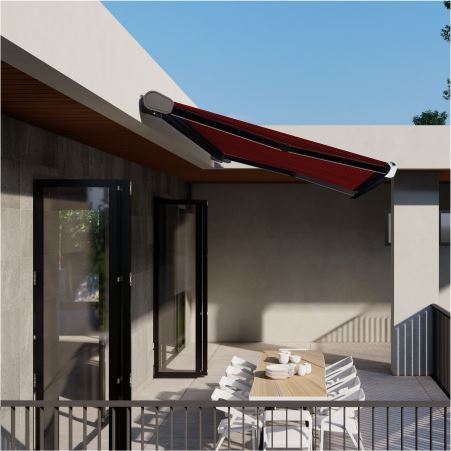
Intended Use
The way you plan to use your outdoor space also influences the slope. If the awning is primarily for shading a seating area, you may want a slope that provides maximum shade coverage. This could mean adjusting the slope based on the sun's path throughout the day.
If the awning is used for a dining area, a steeper slope may be preferred to prevent rain from dripping onto the table during a sudden shower.
Recommended Slope Ranges
Based on the factors mentioned above, here are some general recommended slope ranges for different types of outdoor awnings:
Balcony Awnings
Balcony awnings are often used for small outdoor spaces and are exposed to wind and rain. For Balcony Awnings Retractable Awnings, a slope of 8 - 12 degrees is typically recommended. This slope allows for efficient water drainage while also providing adequate shade.
Outdoor Garden Awnings
Outdoor Garden Awnings are used to create a comfortable outdoor living area in the garden. They are often exposed to a variety of weather conditions. A slope of 10 - 15 degrees is ideal for these awnings, as it helps in water runoff and provides good shade coverage.
Decorative Outside Window Awnings
Decorative Outside Window Awnings not only add aesthetic value to a building but also provide shade and protection from the elements. A slope of 5 - 10 degrees is usually sufficient for these awnings, as they are mainly used for sun protection and do not need to handle large amounts of water.
Measuring and Adjusting the Slope
Measuring the slope of an awning is relatively straightforward. You can use a level and a measuring tape to determine the angle. To adjust the slope, you may need to make some modifications to the awning's mounting hardware.
If you're installing a new awning, it's essential to work with a professional who can ensure that the awning is installed at the correct slope. A professional installer will take into account all the factors mentioned above and make the necessary adjustments during the installation process.
The Impact of Incorrect Slope
An incorrect slope can have several negative consequences. If the slope is too shallow, water and debris will accumulate on the awning, leading to fabric damage, mold growth, and reduced lifespan. In extreme cases, the weight of the pooled water can cause the awning to sag or even collapse.
If the slope is too steep, the awning may not provide enough shade or may be more susceptible to wind damage. It can also make the awning look unbalanced and less aesthetically pleasing.
Conclusion
In conclusion, the recommended slope for an outdoor awning depends on several factors, including geographical location, type of awning, and intended use. By choosing the right slope, you can ensure that your awning provides optimal functionality, longevity, and aesthetic appeal.
If you're in the market for an outdoor awning, I encourage you to reach out to us. Our team of experts can help you select the right awning and ensure that it is installed at the perfect slope for your specific needs. Whether you're looking for Balcony Awnings Retractable Awnings, Outdoor Garden Awnings, or Decorative Outside Window Awnings, we have a wide range of options to choose from. Contact us today to start creating your perfect outdoor space.
References
- "Outdoor Awning Installation Guide" - National Association of Awning Manufacturers
- "The Science of Sun Protection and Awnings" - Journal of Outdoor Living Research
- "Weather - Resistant Outdoor Awnings: Design and Maintenance" - International Journal of Building Envelope Technology