

When it comes to enhancing outdoor spaces, pergolas stand out as a popular choice, offering both functional and aesthetic benefits. As a leading pergola supplier, I've witnessed firsthand the diverse range of materials used in pergola construction. Each material brings its own unique characteristics, advantages, and considerations. In this blog, I'll explore the various materials commonly employed in building pergolas, helping you make an informed decision for your outdoor project.
Wood
Wood is perhaps the most traditional and widely recognized material for pergolas. It exudes a natural warmth and charm that can complement any outdoor setting, from rustic gardens to modern patios. Cedar, redwood, and pressure-treated pine are among the most popular choices for wood pergolas.
Cedar is known for its natural resistance to rot, decay, and insects, making it a durable option for outdoor structures. It also has a distinct aroma and beautiful grain patterns that add to its aesthetic appeal. Redwood is another excellent choice, prized for its strength, stability, and resistance to moisture. It has a rich, reddish-brown color that ages gracefully over time, developing a silvery patina. Pressure-treated pine is a more affordable alternative to cedar and redwood. It is treated with chemicals to protect it from rot and insects, but it may require more maintenance over time.
One of the main advantages of wood pergolas is their versatility. They can be easily customized to fit any size or shape, and they can be stained or painted to match your existing outdoor decor. Wood also provides a natural insulation, making it a comfortable place to relax on hot summer days. However, wood does require regular maintenance, including staining, sealing, and periodic inspections for signs of damage.
Vinyl
Vinyl has become an increasingly popular material for pergolas in recent years, thanks to its low maintenance and long-lasting durability. Vinyl pergolas are made from a synthetic material that is resistant to rot, decay, insects, and UV rays. They are available in a variety of colors and styles, and they can be designed to mimic the look of wood.
One of the main advantages of vinyl pergolas is their low maintenance requirements. They do not require staining, painting, or sealing, and they can be easily cleaned with soap and water. Vinyl is also a very durable material, with a lifespan of up to 30 years or more. It is resistant to warping, cracking, and fading, making it a great choice for areas with harsh weather conditions.
Another advantage of vinyl pergolas is their affordability. They are generally less expensive than wood pergolas, and they can be installed quickly and easily. Vinyl pergolas are also lightweight, which makes them easier to transport and install. However, vinyl may not have the same natural look and feel as wood, and it may not be as customizable.
Aluminum
Aluminum is a lightweight and durable material that is commonly used in pergola construction. It is resistant to rust, corrosion, and UV rays, making it a great choice for outdoor structures. Aluminum pergolas are available in a variety of colors and styles, and they can be designed to fit any size or shape.
One of the main advantages of aluminum pergolas is their strength and durability. They are able to withstand high winds, heavy snow loads, and other extreme weather conditions. Aluminum is also a very lightweight material, which makes it easier to install and transport. It is also resistant to warping, cracking, and fading, making it a low-maintenance option.
Another advantage of aluminum pergolas is their affordability. They are generally less expensive than wood and vinyl pergolas, and they can be installed quickly and easily. Aluminum pergolas are also available in a variety of styles, from traditional to modern, and they can be customized to fit your specific needs and preferences. However, aluminum may not have the same natural look and feel as wood, and it may not provide as much insulation.
Steel
Steel is a strong and durable material that is commonly used in commercial and industrial pergolas. It is resistant to rust, corrosion, and fire, making it a great choice for areas with high traffic or harsh weather conditions. Steel pergolas are available in a variety of styles and sizes, and they can be designed to fit any size or shape.

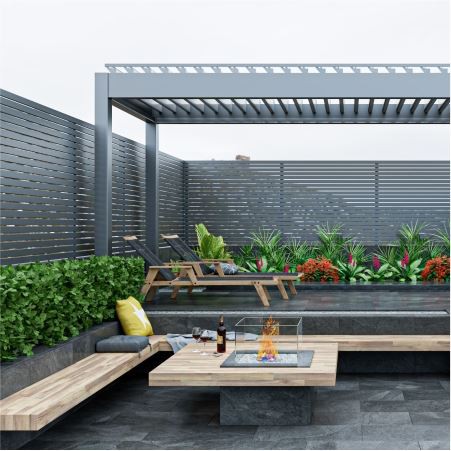
One of the main advantages of steel pergolas is their strength and durability. They are able to withstand high winds, heavy snow loads, and other extreme weather conditions. Steel is also a very versatile material, which can be easily customized to fit your specific needs and preferences. It can be painted or powder-coated to match your existing outdoor decor, and it can be designed to include features such as lighting, heating, and cooling.
Another advantage of steel pergolas is their longevity. They have a lifespan of up to 50 years or more, making them a great investment for your outdoor space. However, steel is a heavy material, which can make it more difficult to install and transport. It is also more expensive than other materials, such as wood, vinyl, and aluminum.
Composite
Composite materials are a combination of wood fibers and plastic, and they are becoming an increasingly popular choice for pergolas. Composite pergolas offer the best of both worlds, combining the natural look and feel of wood with the durability and low maintenance of plastic. They are available in a variety of colors and styles, and they can be designed to fit any size or shape.
One of the main advantages of composite pergolas is their low maintenance requirements. They do not require staining, painting, or sealing, and they can be easily cleaned with soap and water. Composite is also a very durable material, with a lifespan of up to 25 years or more. It is resistant to rot, decay, insects, and UV rays, making it a great choice for outdoor structures.
Another advantage of composite pergolas is their environmental friendliness. They are made from recycled materials, which helps to reduce waste and conserve natural resources. Composite is also a very sustainable material, as it can be recycled at the end of its lifespan. However, composite may not have the same natural look and feel as wood, and it may be more expensive than other materials, such as wood, vinyl, and aluminum.
Choosing the Right Material for Your Pergola
When choosing the right material for your pergola, there are several factors to consider, including your budget, the style of your outdoor space, the climate in your area, and your maintenance preferences. Here are some tips to help you make the right decision:
- Budget: Your budget will play a major role in determining the material you choose for your pergola. Wood and vinyl are generally the most affordable options, while steel and composite are the most expensive.
- Style: Consider the style of your outdoor space when choosing a pergola material. Wood and vinyl can be designed to mimic the look of traditional wood pergolas, while aluminum and steel are more modern and industrial in style.
- Climate: The climate in your area will also affect your choice of pergola material. If you live in an area with harsh weather conditions, such as high winds, heavy snow, or extreme heat, you may want to choose a material that is more durable and resistant to damage.
- Maintenance: Consider your maintenance preferences when choosing a pergola material. Wood and composite require regular maintenance, including staining, sealing, and periodic inspections for signs of damage. Vinyl and aluminum, on the other hand, are low maintenance materials that require little more than occasional cleaning.
Conclusion
In conclusion, there are several materials available for building pergolas, each with its own unique characteristics, advantages, and considerations. As a pergola supplier, I can help you choose the right material for your outdoor project, based on your budget, style preferences, climate, and maintenance requirements. Whether you choose wood, vinyl, aluminum, steel, or composite, a pergola is a great way to enhance your outdoor space and create a comfortable and inviting place to relax and entertain.
If you're interested in learning more about our pergola products or would like to discuss your specific needs and preferences, please don't hesitate to contact us. We look forward to helping you create the perfect outdoor space for your home or business.
References
- "Building a Pergola: A Step-by-Step Guide." This Old House. Accessed [Date].
- "Pergola Materials: Which One is Right for You?" HGTV. Accessed [Date].
- "The Benefits of Vinyl Pergolas." Vinyl Siding Institute. Accessed [Date].
- "Aluminum Pergolas: A Durable and Stylish Option." Aluminum Association. Accessed [Date].
- "Steel Pergolas: Strength and Durability for Your Outdoor Space." Steel Manufacturers Association. Accessed [Date].
- "Composite Pergolas: The Best of Both Worlds." Composite Decking Association. Accessed [Date].