

What materials are used to make an electric manual pergola?
As a supplier of electric manual pergolas, I'm often asked about the materials used in their construction. The choice of materials is crucial as it determines the pergola's durability, appearance, and functionality. In this blog post, I'll explore the common materials used to make electric manual pergolas and their respective advantages.
Wood
Wood is a classic and popular choice for pergolas due to its natural beauty and warmth. It can add a rustic and charming touch to any outdoor space. Common types of wood used for pergolas include cedar, redwood, and pressure-treated pine.
Cedar is known for its natural resistance to rot, decay, and insects. It has a pleasant aroma and a beautiful grain pattern. Cedar is relatively lightweight, making it easy to work with during installation. It also weathers well over time, developing a silver - gray patina if left untreated.
Redwood is another high - quality wood option. It is naturally resistant to decay and has a rich, reddish - brown color. Redwood is strong and durable, and it can withstand harsh weather conditions. However, it is more expensive than cedar.
Pressure - treated pine is a more affordable alternative. It is treated with chemicals to resist rot and insects. While it may not have the same natural beauty as cedar or redwood, it can be painted or stained to achieve a desired look. Pressure - treated pine is widely available and is a practical choice for budget - conscious customers.
One of the drawbacks of using wood is that it requires regular maintenance. It needs to be stained or painted every few years to protect it from the elements. Additionally, wood can warp, crack, or split over time, especially if it is not properly cared for.
Aluminum
Aluminum is a popular choice for modern electric manual pergolas. It is lightweight, yet strong and durable. Aluminum pergolas are resistant to rust, corrosion, and rot, making them ideal for outdoor use in all weather conditions.
One of the advantages of aluminum is its versatility. It can be easily formed into various shapes and designs, allowing for more creative and customized pergola options. Aluminum pergolas can also be powder - coated in a wide range of colors, giving customers the freedom to match their pergola to their existing outdoor decor.
Aluminum pergolas require minimal maintenance. They do not need to be painted or stained, and they can be easily cleaned with soap and water. They are also relatively easy to install, which can save on labor costs.
However, aluminum may not have the same natural warmth and aesthetic appeal as wood. Some people may find it to be too "industrial" in appearance. Additionally, in extremely cold temperatures, aluminum can become brittle, although this is usually not a problem in most climates.
Steel
Steel is a strong and durable material that can provide a high level of structural support for electric manual pergolas. It is often used in commercial or large - scale pergola projects.
Steel pergolas are very sturdy and can withstand heavy loads, such as snow or strong winds. They can be fabricated into complex designs and can be welded together for a seamless look. Steel can also be powder - coated to prevent rust and corrosion.
One of the disadvantages of steel is its weight. It can be difficult to transport and install, which may increase labor costs. Steel is also more prone to rust if the powder - coating is damaged. Regular inspections and touch - ups may be required to maintain its appearance and integrity.
PVC
PVC (polyvinyl chloride) is a synthetic material that is becoming increasingly popular for pergolas. It is lightweight, easy to install, and resistant to rot, insects, and moisture.
PVC pergolas are available in a variety of colors and styles. They can mimic the look of wood, but without the maintenance requirements. PVC does not need to be painted or stained, and it can be easily cleaned with a hose.
However, PVC may not be as strong as wood, aluminum, or steel. It may not be suitable for large - scale or heavy - duty pergola applications. Additionally, in extreme heat, PVC can become soft and may warp.
Glass
Glass is often used as a roofing material for electric manual pergolas. It can provide a modern and elegant look, allowing for plenty of natural light to enter the pergola area.
There are different types of glass available, including tempered glass, laminated glass, and insulated glass. Tempered glass is strong and shatter - resistant, making it a safe choice for outdoor use. Laminated glass consists of two or more layers of glass bonded together with a plastic interlayer, which provides additional safety and security. Insulated glass is designed to reduce heat transfer, making it energy - efficient.
Glass roofs can be motorized, allowing for easy adjustment of the amount of sunlight and shade. However, glass is heavy and requires a strong supporting structure. It is also more expensive than other roofing materials, and it can be easily damaged if not properly maintained.

Louvered Systems
For those looking for a high - tech and adjustable solution, louvered pergolas are a great option. The louvered blades are typically made of aluminum or PVC. Louver Pergola systems allow users to control the amount of sunlight and shade by adjusting the angle of the louvers.
Aluminum louvered systems are durable and resistant to the elements. They can be motorized, allowing for remote control operation. PVC louvered systems are more affordable and lightweight, but may not be as durable as aluminum.
Electric Pergola Cover Systems
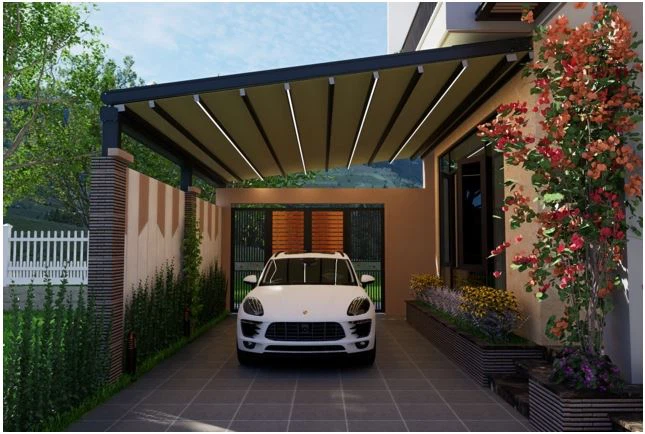
Electric pergola cover systems are another innovative option. These systems often use a combination of materials, such as fabric and aluminum. The Electric Pergola Cover System can be retracted or extended with the push of a button, providing flexibility in terms of shade and protection from the elements.
The fabric used in these systems is usually a high - quality, weather - resistant material. It can be treated to resist UV rays, water, and mildew. The aluminum frame provides the necessary support and durability.
Retractable PVC Roof Pergolas
Retractable PVC roof pergolas are a popular choice for homeowners who want the flexibility of adjusting the amount of shade. The Retractable PVC Roof Pergola For House Garden is made with a PVC roof that can be retracted or extended as needed.
The PVC roof is lightweight and easy to operate. It can be motorized for added convenience. The frame is typically made of aluminum or steel for strength and stability.
In conclusion, the choice of materials for an electric manual pergola depends on various factors, including budget, aesthetic preferences, climate, and intended use. As a supplier, I can help customers choose the right materials based on their specific needs. Whether you prefer the natural beauty of wood, the durability of aluminum, or the high - tech features of louvered or retractable systems, there is a material combination that will suit your requirements.
If you are interested in purchasing an electric manual pergola, I encourage you to contact me for a consultation. We can discuss your project in detail and find the best solution for your outdoor space. Let's work together to create a beautiful and functional pergola that you will enjoy for years to come.
References
- "Building Materials Handbook" by John A. Reynolds
- "Outdoor Living Spaces: Design and Construction" by Landscape Architecture Magazine
- Manufacturer specifications and product literature for various pergola materials.